
Understanding Wicking in Carpet Cleaning Tips and Techniques

Carpet cleaning can be a tricky task, especially when unexpected problems arise after cleaning. One common issue that often puzzles homeowners and cleaning professionals alike is wicking. This phenomenon can cause stains to reappear or spread, leaving carpets looking worse than before. Understanding wicking is essential for anyone who wants to maintain clean, fresh carpets and avoid costly damage.
In this post, we will explore what wicking is, why it happens, and how to prevent and manage it effectively. Whether you clean your carpets yourself or hire professionals, knowing about wicking will help you achieve better results and extend the life of your carpets.
What Is Wicking in Carpet Cleaning?
Wicking refers to the process where moisture or cleaning solutions trapped deep in the carpet fibers or padding rise back up to the surface after cleaning. This upward movement can carry dirt, stains, or residues with it, causing spots to reappear or new discolorations to form.
This problem usually occurs when carpets are not dried properly or when cleaning solutions are left behind in the carpet. The moisture acts like a sponge, pulling dirt from the padding or subfloor back into the visible fibers.
How Wicking Happens
Excess moisture during cleaning penetrates deep into the carpet and padding.
Slow drying allows moisture to remain trapped for hours or days.
Residual cleaning agents attract dirt particles.
As the carpet dries, moisture moves upward, carrying dirt with it.
Stains or discolorations appear on the surface, sometimes worse than before.
Why Wicking Is a Problem
Wicking can be frustrating because it often looks like the cleaning process failed or made the carpet dirtier. It can also cause permanent damage if not addressed quickly.
Stains reappear after cleaning, wasting time and effort.
Carpet fibers weaken due to prolonged moisture exposure.
Mold and mildew growth can develop in damp padding.
Odors may linger from trapped moisture and dirt.
Expensive repairs or replacements might be needed if damage spreads.
Understanding wicking helps you avoid these issues and maintain a healthy, clean carpet environment.
Signs That Your Carpet Is Experiencing Wicking
Recognizing wicking early can save you from bigger problems. Look for these signs after cleaning:
Stains or spots reappear within hours or days.
Carpet feels damp or cold to the touch long after cleaning.
Musty or sour odors develop.
Discoloration appears uneven or spreads.
Padding feels wet or soggy underneath.
If you notice any of these, it’s likely that wicking is occurring.
How to Prevent Wicking During Carpet Cleaning
Preventing wicking starts before you even begin cleaning. Here are some practical tips to reduce the risk:
Use the Right Amount of Water
Avoid soaking the carpet. Use cleaning methods that apply minimal moisture, such as low-moisture or dry cleaning techniques. If using steam cleaning or hot water extraction, control the water pressure and volume carefully.
Choose Appropriate Cleaning Solutions
Select cleaning agents that rinse out easily and do not leave residues. Avoid harsh chemicals that can attract dirt or damage fibers.
Ensure Proper Drying
Drying is the most critical step to prevent wicking. Use fans, dehumidifiers, or open windows to speed up drying. Avoid walking on the carpet until it is completely dry.
Clean in Sections
Work in small areas to control moisture levels and drying times better. This approach helps prevent excess water buildup.
Inspect Padding and Subfloor
If the padding or subfloor is wet or dirty, clean or replace it before carpet cleaning. Moisture from below can contribute to wicking.
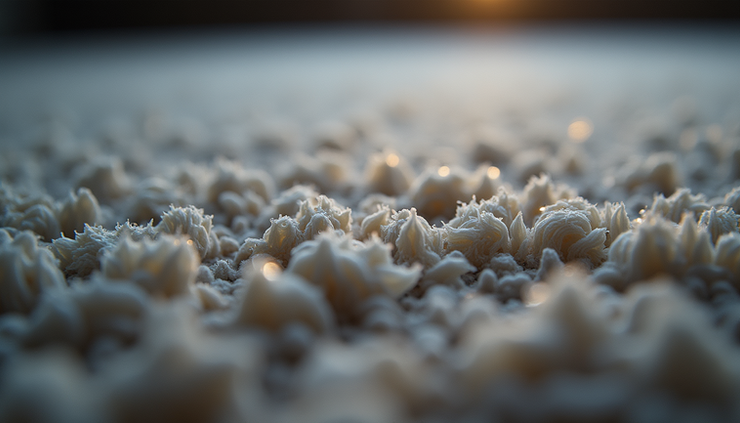
Close-up view of carpet fibers showing moisture trapped between them, illustrating how wicking occurs.
Techniques to Manage Wicking After It Happens
If wicking has already occurred, don’t panic. There are steps you can take to manage and reduce its effects:
Re-clean the Affected Area
Use a clean, damp cloth or sponge to blot the stains gently. Avoid rubbing, which can spread the stain further. Use a mild cleaning solution if necessary.
Dry Thoroughly
Increase airflow and use professional drying equipment if possible. The goal is to remove all moisture quickly to stop the wicking process.
Use Absorbent Materials
Place dry towels or absorbent pads on the carpet to soak up moisture. Replace them frequently until the carpet feels dry.
Apply a Carpet Protector
Once dry, apply a carpet protector to help prevent future stains and reduce the chance of wicking.
Consult Professionals
If stains persist or the carpet feels damp for a long time, call a professional carpet cleaner. They have specialized tools and knowledge to handle wicking effectively.
Real-Life Example of Wicking and How It Was Solved
A homeowner recently had their living room carpet steam cleaned. After two days, dark spots appeared where the furniture had been. The cleaning company returned and discovered that excess water had soaked into the padding under the furniture, causing wicking.
They removed the furniture, used industrial fans and dehumidifiers to dry the carpet and padding thoroughly, and applied a stain remover to the affected areas. After drying completely, the spots disappeared, and the carpet looked fresh again.
This example shows how important drying and padding condition are in preventing wicking.
Tips for Choosing Carpet Cleaning Services to Avoid Wicking
If you hire professionals, ask about their methods and drying processes. Here are some questions to consider:
What cleaning method do you use? (Low moisture, steam, dry cleaning)
How do you control moisture levels during cleaning?
What drying equipment do you use?
Do you inspect and treat carpet padding?
Can you provide references or reviews?
Choosing a company that understands wicking and takes steps to prevent it will save you headaches later.
Summary and Next Steps
Wicking is a common but manageable issue in carpet cleaning. It happens when moisture trapped in the carpet or padding rises to the surface, carrying dirt and stains with it. Preventing wicking requires controlling moisture, using the right cleaning solutions, and ensuring thorough drying.
If you notice signs of wicking, act quickly to dry the carpet and treat stains. Professional help may be necessary for severe cases.
To keep your carpets looking their best, focus on proper cleaning techniques and drying practices. This knowledge will help you avoid wicking and enjoy fresh, clean carpets for years to come.


Comments